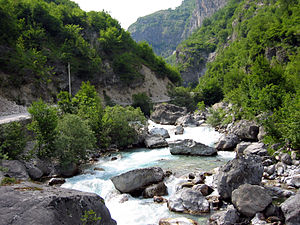
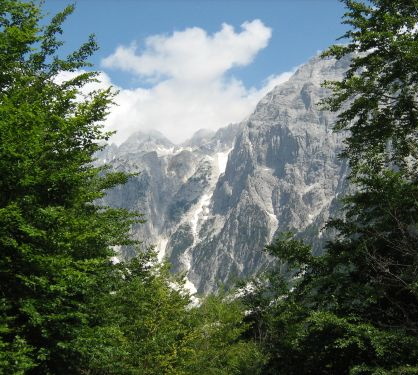
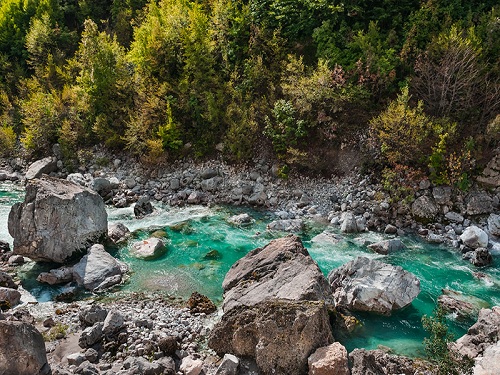
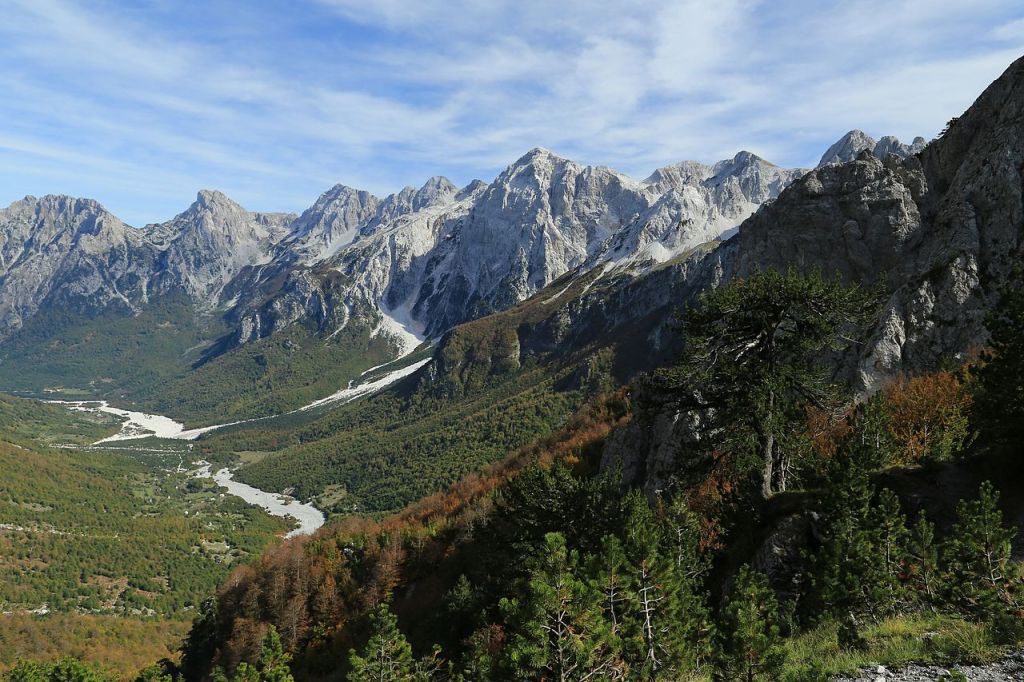
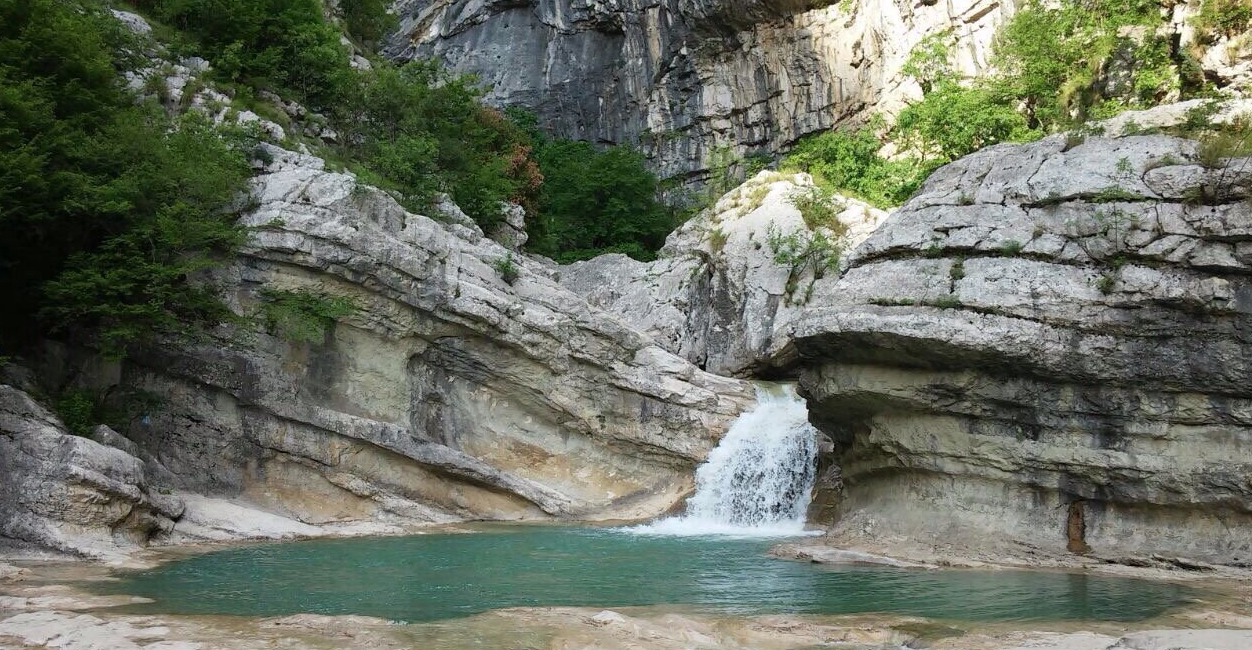
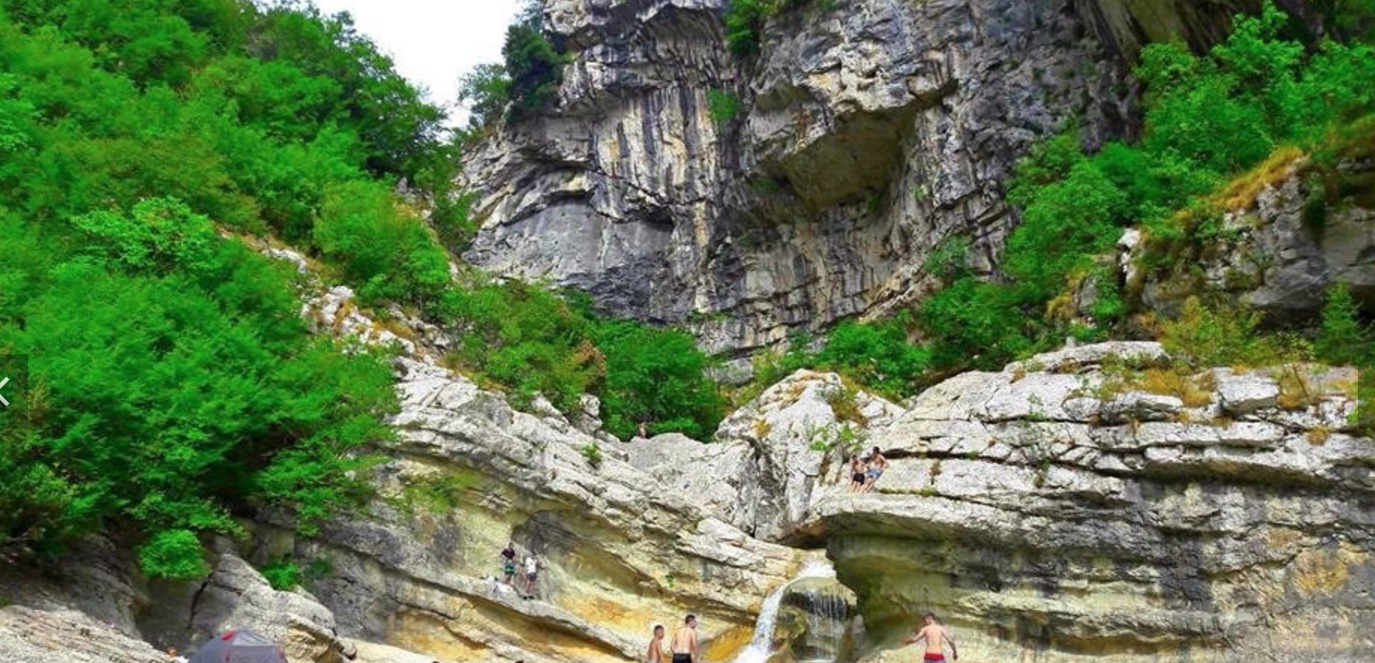
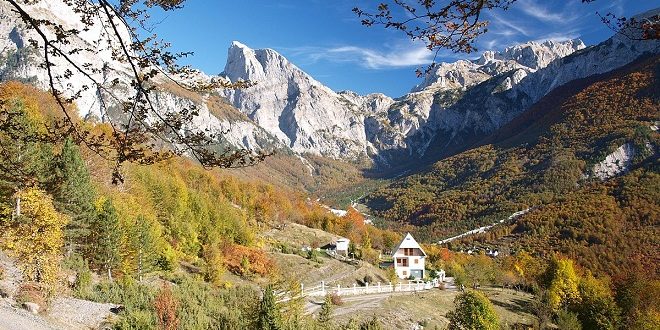
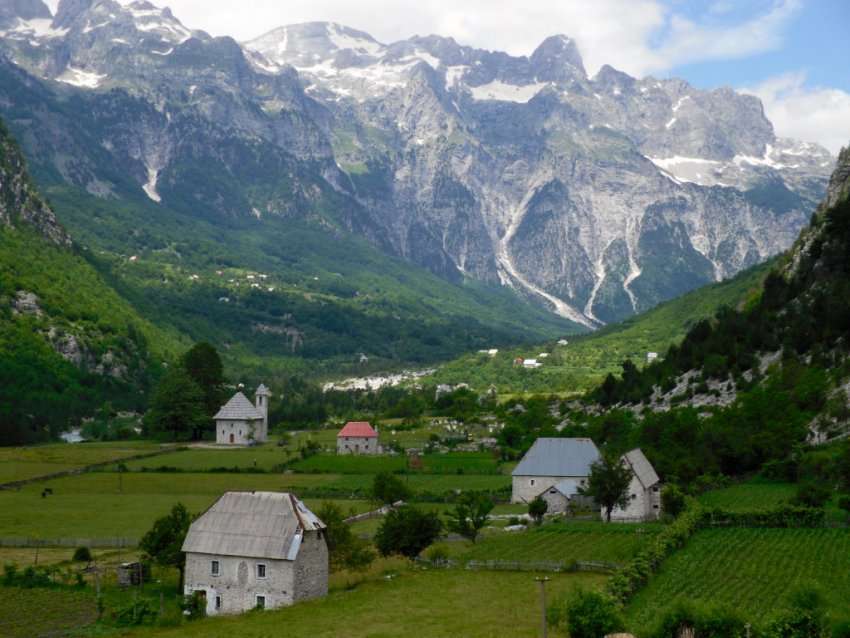
The Valbona Valley National Park (Albanian: Parku Kombëtar i Luginës së Valbonës) is a national park inside the Albanian Alps in northern Albania. The park covers a total area of 80 km2 (31 sq mi), encompassing Valbona River and its surrounding areas with mountainous terrain, alpine landscapes, glacial springs, deep depressions, various rock formations, waterfalls and the Valbona Valley with its dense coniferous and deciduous forest. It is characterized by its very remote areas which have a large preserved ecosystem all of which is primarily untouched with pristine quality. This vast pristine ecosystem is the centrepiece of what has been referred to as the Albanian Miracle of the Alps.
The park borders Montenegro in the north, Gashi Nature Reserve in the east, Nikaj-Mërtur Regional Nature Park in the south and Theth National Park in the west. It is proposed to expand the park’s boundaries and merge it with Theth and Gashi. Furthermore, Albania, Kosovo and Montenegro are planning to establish a transboundary national park, that will be called the Balkan Peace Park. The peace park would encompass Valbonë Valley along with Theth National Park, Gashi Nature Reserve, Nikaj-Mërtur Nature Park, Bjeshkët e Nemuna National Park in Kosovo and Prokletije National Park in Montenegro.
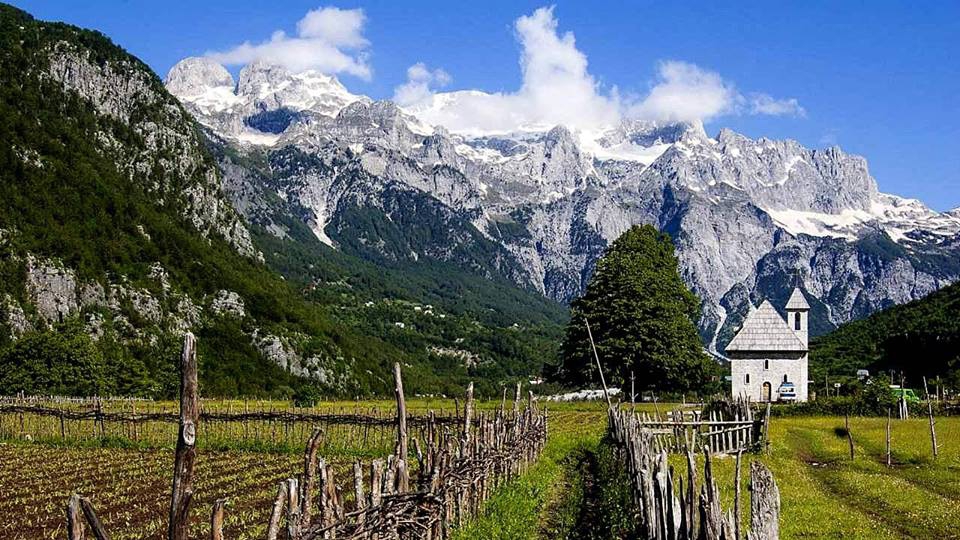
The Albanian Alps are one of the most impressive and notable topographic features of Albania. Being the southernmost continuation of the Dinaric Alps, it forms a section of the Alpine-Himalayan orogenic belt, which extend from the Atlantic Ocean to the Himalaya Mountains. The mountains are characterized by limestone and dolomite rocks and shows major karst features. Maja Jezercë sprawls in the west of the park and is the highest mountain of the Dinaric Alps, with an altitude of 2,694 m (8,839 ft). The Valbona River originate from several karst springs along the south of Maja Jezercë and the east of Valbona Pass. It is the largest river within the Albanian Alps and drains the entire eastern portion of the range. Over the past few million years, glaciers have at times covered most of the park. During the Würm period, the glacier of Valbona reached a total length of 9.5 kilometres. Nowadays, there are two very small active glaciers close to the northeastern edge of Maja Jezercë.
The park’s remoteness and relatively small human population, combined with the great variation of ecosystems and climatic conditions favours the existence of a rich variety of flora and fauna distributed throughout the land area. Most of the park consists of forest, covering 89% of the overall surface area. Brown bears, grey wolves, lynxes, roe deers, chamoises and wild goats are the primary predatory animals in the park. The park’s forests are characterized by the predominance of different tree species, with beech, pine and oak. Notably, the most important tree species used to be the norway spruce; it is one of few regions in Albania where this type can be found.
Valbonë Valley National Park was established in accordance with Decision of Council of Ministers number 102, dated 15 January 1996 in order to preserve the natural ecosystems and landscapes along with their vegetation and biodiversity communities and habitats. An expansion plan to increase the park’s boundaries to cover the Theth National Park and Gashi Nature Reserve is under consideration. With this expansion, the park will become the largest protected area not only in Albania but also in the Balkans.
The International Union for Conservation of Nature (IUCN) has listed the park as Category II. Located within the park, the Gashi River is included into the UNESCO Primeval Beech Forests of the Carpathians and Other Regions of Europe. It is also part of the European Green Belt, which serves as a retreat for endangered and endemic species. The park applied also to join the EUROPARC Federation. Plantlife has recognised the park, as well as the Albanian Alps, as an Important Plant Area of international importance, because it supports great plant species. The region is part of the Emerald Network, the ecological network made up of Areas of Special Conservation Interest designated under the Bern Convention.
Biology
Even though the park is small in surface, on its area thrive hundreds of threatened and endemic animal and plant species. The levels of vegetation in the Albanian Alps meet the alpine level, from upland valleys through the montane mountain stage on forest-free alpine and subalpine mats and subnivale tundra caused by permafrost in vast heaps of rubble with raw soils.
In view of phytogeography, the park falls within the Dinaric Mountains mixed forests terrestrial ecoregion of the Palearctic Temperate broadleaf and mixed forest. The forests of the park are covered by a mixture of deciduous and coniferous trees growing on limestone and dolomite, which is characteristic to the Albanian Alps. The most typical feature of the park’s landscape is represented by its forests being a major resource in terms of their ecological functions, as well as in terms of the beauty they lend to the landscape.
Demography
Valbonë Valley has been inhabited since classical times what argues for the proper conditions that valley provides. The villages where the population is concentrated are: Rrogam, Valbona, Dragobi and Çerem which are located at the valley extensions.After 90’ the situation began to change. As a result of not favorable economic conditions, the majority of the population moved out. Valley is inhabited by “Krasniqi” and “Gashi” tribes. A part of the population that has left the village, is settled at lower villages of Margegajmunicipality. Despite the recent changes that have been made in the demographic structure, the population still differs for its vitality. This affects at their ability to be active in the sector of tourism. Only during the years 1995-2002, villages like Çerem and Rragam have had a population decrease respectively of 63% and 57%.In 2008 the population at these villages was 920 persons but now it is 817. Stopping the phenomenon of the people leaving their country, is important, in order to reduce the risk of villages turning into seasonal ones.
Agriculture
Agriculture is ranked on the top in the economical structure of the area since it provides income for majority of the local people. Agricultural land is generally scarce and located on the slopes and some small valleys. Land users care for both, the preservation and cultivation. The land is divided into portions, according to family property. A particular thing of the area is that the possibilities of irrigation of agricultural land are numerous and unlimited. Agricultural land is mainly used to cultivate corn, potato, rye, beans, vegetables and fodder. Agricultural and livestock products are completely natural (organic).[53] Food is generally fresh and home made, but sometimes it can be even canned and processed by the inhabitants of the village.[56] Their way of cooking is entirely traditional. Besides agriculture, inhabitants deal with breeding of livestock such as cattle, sheep, goats, horses, poultry, beekeeping etc. Locals produce products such as meat, milk, wool and skins.
Tourism
Considering the benefits that tourism can provide, the national government has classified it as a priority. Even though it is based mainly on nature, the tourism in Valbona requires the necessary infrastructure. The rocky peaks of mountains such as the Mount Jezercë, Kollata e Keqe Mount, Pecmarra Mount attract the attention of visitors. The Valbona River is unnavigable because of the frequent rains. The nature is rich in suitable varieties for tourism such as fishing and mountaineering. The numerous potentials of the valley enable the developing of several types of tourism such as climbing, white, rowing, rural, cultural, gastronomic, medical and adventurous tourism.
Alpinism is based at the presence of high mountains. Foreign tourists practise mostly this kind of tourism in Valbona.
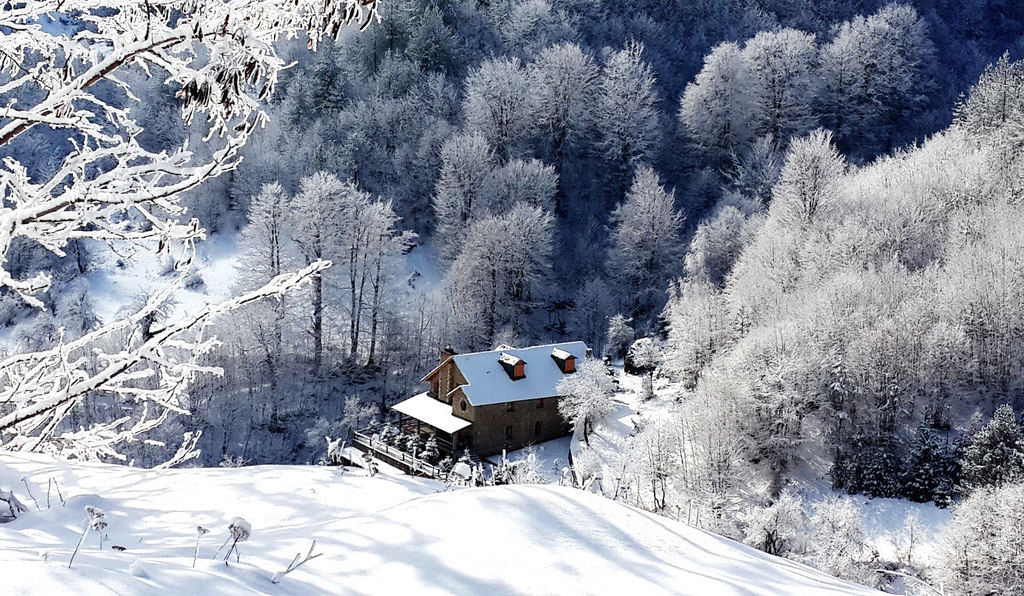
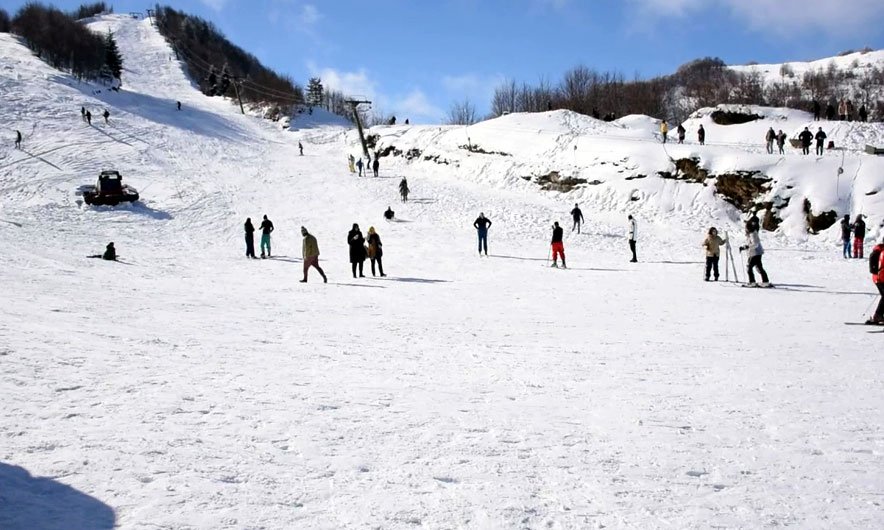
White tourism, is seen just like a potential, as the infrastructure needed for this kind of tourism is not suitable, despite the presence of snow for about 6 months.
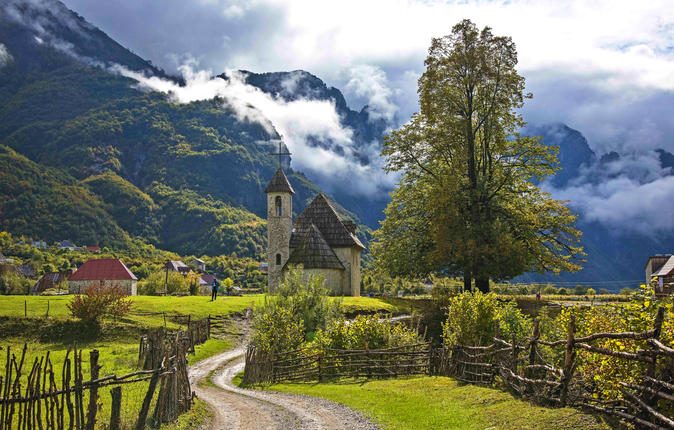
Rural, cultural and gastronomic tourism is based in the locals lifestyle, legacy and traditions which has been treasured by them.
Medical tourism is based on the healthy climate, clean air and water and the organic foods that valley offers.
Adventure tourism has suitable conditions to be developed due to the wild nature.
Local people are building up their income with tourism activities such as renting rooms, accompanied by characteristic local hospitality and traditional home made cooking. Initiated and supported by the Government of Albania, the Albanian Development Fund and Margegaj Municipality is being built a tourism complex which should accommodate around 500 people, on a surface of 4200 m2. Valbona National Park is expected to be one of the most important oases of the country. Clean air, high mountain peaks, lakes, numerous water resources, forests, mountains, flora and fauna of Valbona Valley National Park provide conditions for eco-tourism experiences.
 Albania Travel Guide